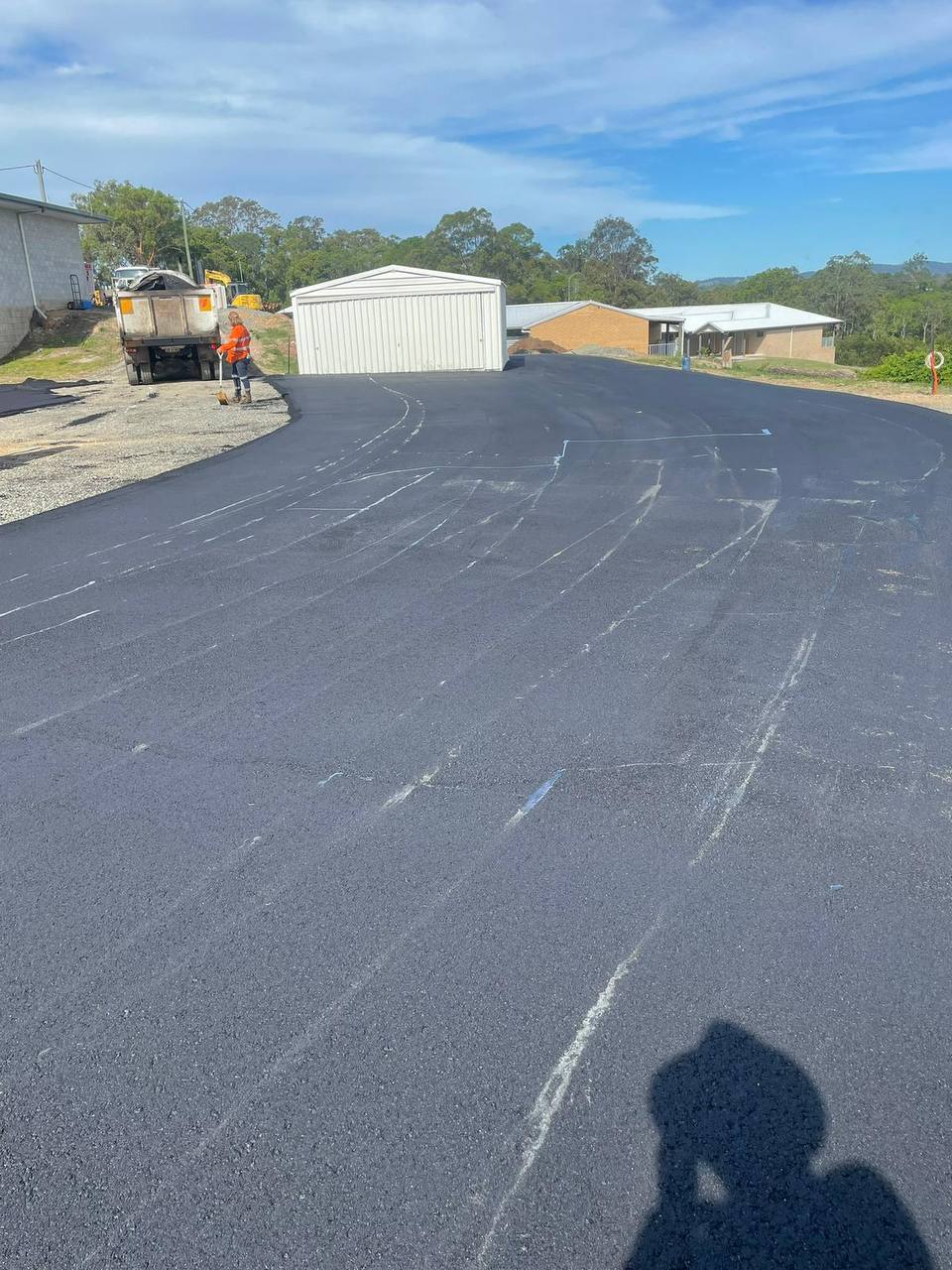
An asphalt driveway provides a practical, durable surface for everyday vehicle access, but its condition depends on more than the quality of the initial installation. Regular maintenance helps protect the surface from water penetration, surface wear and gradual deterioration, keeping it functional and presentable for longer.
For property owners in Coomera, QLD, Australia, local weather conditions, including intense sunlight and periods of heavy rainfall, can place additional demands on asphalt surfaces. Understanding how to care for a driveway and recognise early signs of damage can help prevent minor defects from developing into more extensive problems. Coomera Surfacing Solutions provides professional surfacing services to help maintain asphalt driveways and address deterioration when it occurs.
Why Regular Asphalt Driveway Maintenance Matters
Asphalt consists of aggregates bound together by a bituminous binder. Although it is designed to withstand regular vehicle use, exposure to the elements and repeated loading gradually affect its condition.
Small cracks, loose aggregate and drainage problems may initially appear insignificant. However, water can enter through damaged areas and weaken the layers beneath the surface. As the supporting base deteriorates, the driveway may develop depressions, wider cracks or sections that begin to break apart.
Routine inspections and timely repairs help identify these issues early. Rather than waiting for visible damage to spread, property owners can take practical steps to preserve the surface and maintain reliable access to their property.
Essential Steps for Maintaining an Asphalt Driveway
Keep the Surface Clean
Leaves, dirt, loose gravel and other debris can accumulate on an asphalt driveway. Regular sweeping helps keep the surface tidy and makes it easier to spot cracks, stains or changes in its condition.
Oil, fuel and other vehicle fluids should be cleaned up promptly using a method suitable for asphalt. Some substances can affect the binder and contribute to surface deterioration if left untreated. Avoid harsh cleaning products that may damage the pavement.
Monitor Cracks and Repair Them Early
Cracks are among the most important warning signs to watch for. They may develop through natural ageing, temperature changes, ground movement or repeated vehicle loading.
Inspect the driveway periodically for narrow openings, widening cracks and interconnected patterns. Suitable crack sealing can help limit water penetration when the surrounding asphalt remains structurally sound.
However, if cracks keep returning, spread across large sections or appear alongside sinking areas, the underlying cause should be assessed before deciding on a repair method.
Ensure Water Drains Away Properly
Effective drainage is essential for protecting an asphalt driveway. Water that repeatedly collects on the surface may indicate low spots, inadequate falls or drainage problems around the property.
After heavy rainfall, check whether puddles remain for extended periods and whether water flows towards the driveway from nearby areas. Keep drainage channels clear where present, and arrange an assessment if standing water persists.
In Coomera, where heavy rainfall can occur, preventing prolonged water accumulation helps reduce the risk of moisture entering cracks and weakening the pavement’s supporting layers.
Avoid Excessive Loads and Concentrated Pressure
An asphalt driveway should be suitable for the vehicles and level of use it regularly receives. Repeated heavy loads can accelerate deterioration, particularly where the supporting base is weak or the pavement was not designed for that demand.
Avoid placing unusually heavy equipment or vehicles on areas that may not be designed to support them. Take care when turning stationary vehicles repeatedly in the same spot, as concentrated movement can contribute to surface stress.
Consider Suitable Surface Protection
Depending on the driveway’s age and condition, an appropriate protective surface treatment may help maintain its appearance and support ongoing maintenance. Such treatments are not a substitute for repairing cracks, correcting drainage problems or addressing structural defects.
Before applying a sealant or other treatment, the surface should be assessed to determine whether it is suitable and whether repairs are needed first. Applying a coating over a deteriorating surface may conceal symptoms without resolving the underlying issue.
Signs Your Asphalt Driveway Needs Professional Attention
Regular maintenance is useful, but certain defects indicate that a closer assessment may be necessary. Look out for:
- Cracks that continue to widen or spread.
- Alligator cracking, where interconnected cracks form a pattern resembling scales.
- Depressions or areas where the driveway has started to sink.
- Loose aggregate or asphalt breaking away from the surface.
- Persistent puddles following rainfall.
- Repeated damage in the same location despite previous repairs.
These signs may indicate problems with the asphalt itself, the supporting base or the way water drains from the area. Identifying the cause helps determine whether localised repairs are appropriate or more extensive resurfacing should be considered.
How Professional Surfacing Services Help Protect Your Driveway
Although routine cleaning and inspections can help maintain an asphalt driveway, repairs require the right approach for the type and extent of deterioration. Filling a small crack is different from repairing a sunken section or addressing widespread surface failure.
A professional assessment can help establish whether the damage is limited to the surface or extends into the underlying layers. This distinction matters because a repair that does not address the cause may fail to prevent the problem from returning.
Coomera Surfacing Solutions provides surfacing support for property owners in Coomera, QLD, Australia. Whether your driveway has developed cracks, uneven areas or general surface wear, professional guidance can help identify suitable measures to restore its condition and support its continued use.
Conclusion
Maintaining an asphalt driveway involves regular cleaning, monitoring cracks, managing drainage and addressing defects before they spread. These straightforward steps can help reduce premature surface damage, particularly when combined with timely professional repairs.
If your asphalt driveway in Coomera, QLD, Australia, is showing signs of wear or deterioration, contact Coomera Surfacing Solutions to discuss your surfacing needs and arrange professional advice on the most suitable next steps.
Call us on: 07 3113 9392
Click here to find out more about Coomera Surfacing Solutions
Click here to complete our contact form and see how we can help with your driveway needs.