When planning a new driveway, road, or access surface, one of the most common decisions property owners face is choosing between spray & seal bitumen and asphalt. While both are widely used surfacing methods across Australia, they each have distinct characteristics, applications, and performance benefits.
Understanding the differences between these two solutions can help property owners make informed decisions that align with their site conditions, usage requirements, and long-term expectations. At Coomera Surfacing Solutions, we provide professional asphalt and bitumen surfacing services throughout Coomera, QLD, helping clients select the most suitable option for their project.
What Is Spray & Seal Bitumen?
Spray & seal bitumen is a surfacing method that involves spraying a hot bitumen binder onto a prepared base, followed by the application of a layer of aggregate. The aggregate is then compacted into the bitumen to create a sealed surface.
This method is commonly used for:
- Rural roads
- Low to medium traffic driveways
- Access roads
- Large surface areas
- Regional and council infrastructure
It is particularly valued for its efficiency and suitability for covering large areas.
What Is Asphalt?
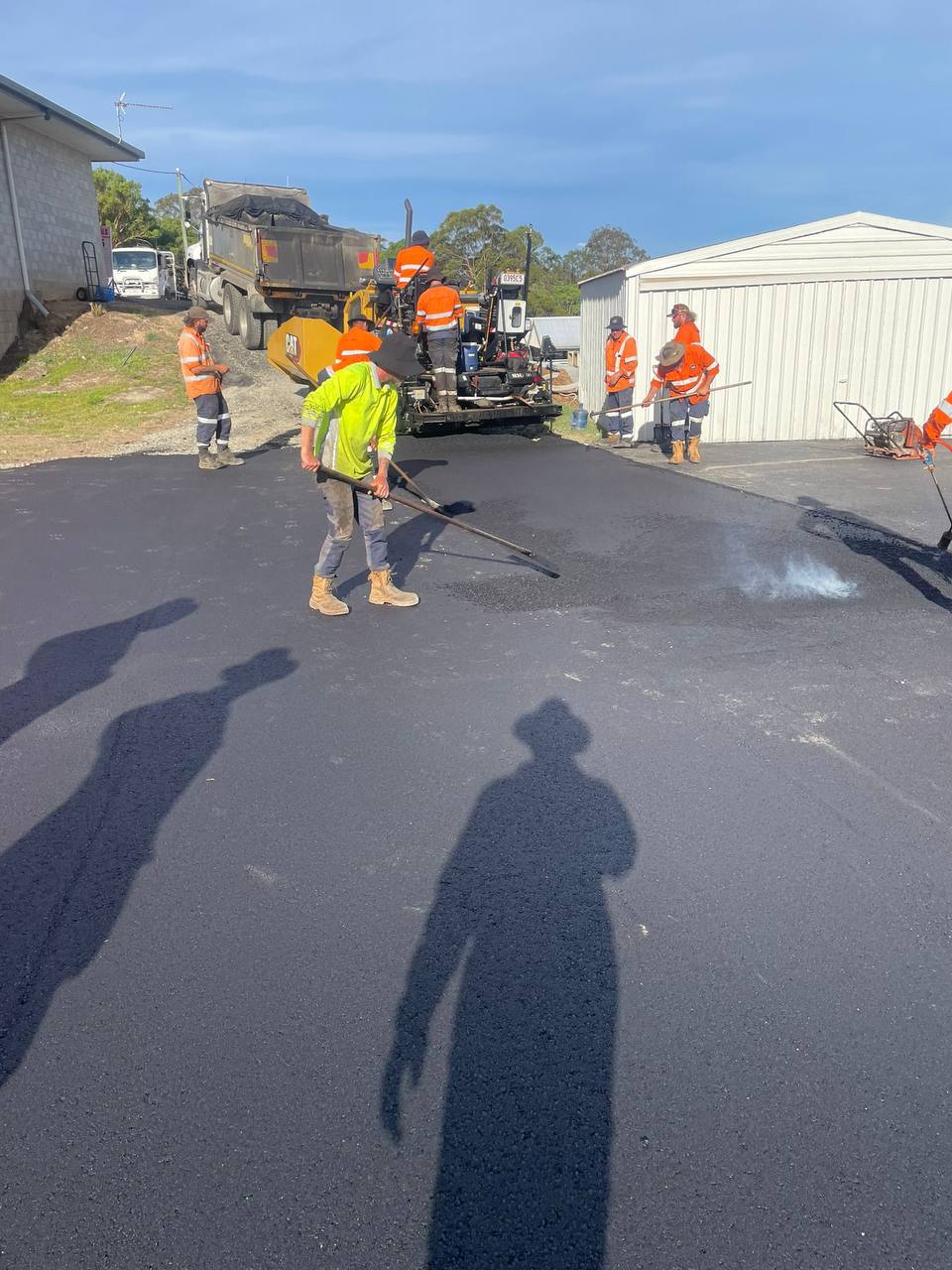
Asphalt is a pre-mixed material consisting of aggregates and bitumen that is transported to site and laid using specialised equipment. It is then compacted to create a smooth, uniform surface.
Asphalt is commonly used for:
- Residential driveways
- Commercial car parks
- High-traffic roads
- Industrial sites
- Urban infrastructure
It is known for its strength, smooth finish, and long-term durability.
Key Difference in Construction Method
One of the main differences between spray & seal bitumen and asphalt lies in how they are applied.
Spray & seal involves:
- Spraying liquid bitumen onto the surface
- Spreading aggregate over the top
- Rolling and compacting the stone into the binder
Asphalt involves:
- Mixing materials at a plant
- Transporting the hot mix to site
- Laying the material in a controlled layer
- Compacting it to form a smooth surface
These differences in construction directly influence performance, appearance, and suitability.
Surface Finish and Driving Experience
Asphalt provides a smooth, consistent surface that offers a refined driving experience. It is often preferred in areas where appearance and comfort are important, such as residential driveways and commercial car parks.
Spray & seal bitumen, on the other hand, has a textured finish due to the exposed aggregate. This provides good traction and is well suited to rural or lower-traffic environments.
Durability and Performance
Both surfacing methods are durable when installed correctly, but they perform differently depending on the application.
Asphalt is generally better suited to:
- High traffic volumes
- Frequent vehicle turning
- Urban environments
- Heavy-duty use
Spray & seal is generally better suited to:
- Rural access roads
- Large open areas
- Moderate traffic conditions
- Agricultural and regional applications
Choosing the correct method ensures the surface performs as intended over time.
Maintenance Requirements
Maintenance needs can vary depending on the surface type and usage.
Asphalt typically requires:
- Occasional sealing of cracks
- Surface resealing over time
- Prompt repairs of any damage
Spray & seal may require:
- Re-sealing after wear
- Stone replenishment in high-traffic areas
- Regular inspection for surface loss
Both systems benefit from proactive maintenance to extend lifespan and performance.
Water Resistance and Drainage
Both asphalt and spray & seal bitumen provide effective water resistance when installed correctly on a properly prepared base.
However, their performance is influenced by:
- Site grading
- Drainage design
- Sub-base preparation
- Installation quality
Proper water management is essential for both systems to prevent premature deterioration and surface failure.
Cost Efficiency vs Performance Balance
While both options are widely used across Australia, they often serve different priorities.
Spray & seal is commonly chosen for its efficiency on large-scale projects, while asphalt is often selected for its smoother finish and higher load-bearing performance.
The best choice depends on:
- Traffic expectations
- Site conditions
- Surface purpose
- Long-term performance requirements
Which Option Is Right for Your Project?
There is no one-size-fits-all answer when choosing between spray & seal bitumen and asphalt. Each surface type offers distinct advantages depending on how the area will be used.
A professional site assessment can help determine:
- Ground conditions
- Drainage requirements
- Load expectations
- Suitable surfacing method
At Coomera Surfacing Solutions, we assist property owners throughout Coomera, QLD in selecting the most appropriate surfacing solution for their needs.
Why Professional Installation Matters
Regardless of whether spray & seal or asphalt is chosen, the quality of installation plays a critical role in long-term performance. Proper preparation, compaction, and material application are essential for achieving a durable and reliable surface.
Experienced contractors ensure:
- Correct base preparation
- Proper drainage design
- Accurate material application
- Long-term structural stability
Conclusion
Spray & seal bitumen and asphalt are both effective surfacing solutions, but they are designed for different applications. Spray & seal is often ideal for larger rural or low-traffic areas, while asphalt provides a smoother, more durable surface suited to higher traffic and more demanding environments.
For property owners in Coomera, QLD, understanding these differences is key to choosing the right surface for long-term performance. Coomera Surfacing Solutions provides expert guidance and professional installation services to ensure your project achieves the best possible outcome based on its intended use.
Call us on: 07 3113 9392
Click here to find out more about Coomera Surfacing Solutions
Click here to complete our contact form and see how we can help with your driveway needs.