Road surfaces are designed to withstand significant weight and constant use, particularly in commercial and industrial environments. However, even well-constructed asphalt and bitumen surfaces require regular maintenance to remain reliable over time. When heavy traffic is combined with a lack of maintenance, deterioration can occur gradually, eventually affecting both safety and functionality.
For property owners and businesses in Coomera, QLD, understanding how heavy traffic impacts road surfaces highlights why professional maintenance and timely resurfacing are essential for preserving the integrity of asphalt and bitumen pavements.
The Impact of Continuous Heavy Vehicle Traffic
Heavy vehicles such as trucks, delivery vehicles, machinery, and commercial transport place far greater stress on road surfaces than standard passenger vehicles. Over time, this constant pressure compresses the underlying layers of the pavement.
If the road structure is not maintained or reinforced when required, the repeated loading can cause the surface to weaken. The stress from heavy traffic gradually breaks down the asphalt binder and aggregates, leading to surface deformation and structural fatigue.
Without maintenance, this process accelerates and can result in significant surface damage.
Formation of Surface Cracks
One of the earliest signs of stress from heavy traffic is the appearance of cracks in the asphalt surface. These cracks often start small but expand over time as traffic continues to place pressure on the weakened pavement.
Once cracking begins, water can penetrate the pavement layers beneath the surface. This moisture weakens the base materials, which makes the pavement more vulnerable to further movement and deterioration.
In busy areas of Coomera where road surfaces experience constant use, untreated cracks can quickly evolve into larger structural issues if maintenance is delayed.
Rutting and Surface Deformation
Heavy vehicles repeatedly travelling over the same paths can cause rutting, which appears as shallow depressions or grooves in the wheel tracks of the road surface.
Rutting develops when the asphalt layers or underlying base materials begin to compress under repeated loads. As the ruts deepen, they can affect vehicle handling and create uneven surfaces that may collect water during rainfall.
Over time, these deformations compromise the functionality of the pavement and make resurfacing or reconstruction necessary if not addressed early.
Pothole Development
When cracking and structural weakening are left unresolved, potholes can begin to form. Potholes occur when water infiltrates the pavement through cracks and weakens the base layers beneath the surface. Under heavy traffic, the weakened areas break apart and sections of asphalt dislodge.
Potholes not only damage vehicles but also indicate that the pavement structure has already suffered significant deterioration. Once potholes develop, repairs often become more extensive compared to early preventative maintenance.
Reduced Surface Lifespan
All road surfaces have an expected lifespan when properly maintained. However, heavy traffic combined with a lack of maintenance can dramatically shorten that lifespan.
Small surface issues that could have been corrected with minor repairs gradually grow into larger structural failures. The longer maintenance is delayed, the more the pavement layers break down, leading to larger repair works or resurfacing requirements.
For commercial and industrial properties in Coomera, maintaining asphalt surfaces is an important part of protecting the long-term reliability of access roads, service yards, and operational areas.
Why Preventative Maintenance Matters
Routine maintenance plays a key role in extending the lifespan of asphalt and bitumen surfaces. Addressing early signs of wear such as cracking, minor deformation, or surface fatigue helps prevent deeper structural problems from developing.
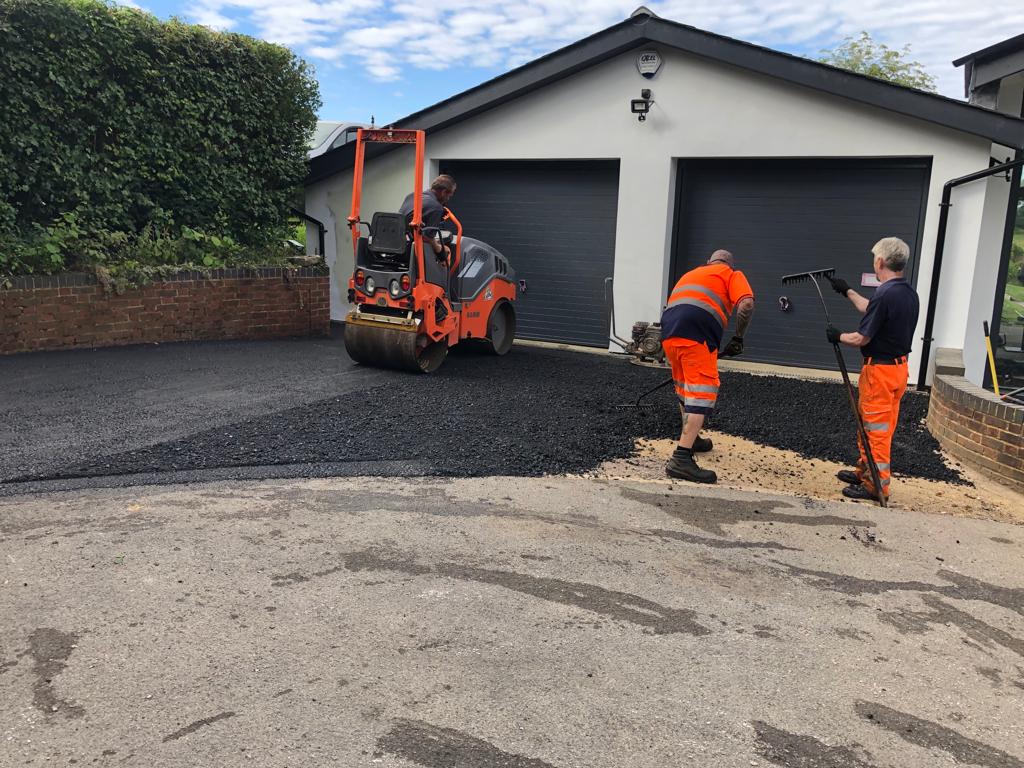
Maintenance activities may include surface repairs, resealing, grading adjustments, or resurfacing depending on the condition of the pavement. When carried out by experienced professionals, these services restore the strength and performance of the surface before more serious deterioration occurs.
Regular maintenance allows businesses to keep their surfaces safe, functional, and capable of handling ongoing traffic demands.
The Importance of Professional Assessment
Every asphalt surface experiences wear differently depending on traffic volume, vehicle weight, drainage conditions, and site usage. Because of this, professional assessment is essential for identifying the most appropriate maintenance approach.
Experienced surfacing contractors can evaluate the condition of the pavement, determine the cause of deterioration, and recommend suitable solutions that restore surface performance while supporting long-term durability.
For property owners and businesses in Coomera, professional maintenance ensures that road surfaces remain reliable and capable of supporting ongoing operations.
Conclusion
When road surfaces are exposed to heavy traffic without proper maintenance, deterioration is inevitable. Cracking, rutting, potholes, and structural weakening can develop over time, ultimately reducing the lifespan and reliability of the pavement.
Regular inspection and timely maintenance are essential for protecting asphalt and bitumen surfaces from these issues. For businesses and property owners in Coomera, QLD, maintaining well-constructed road surfaces helps ensure safe access, smoother operations, and long-term performance.
Coomera Surfacing Solutions provides professional asphalt and bitumen surfacing services designed to maintain and restore durable road surfaces. If your pavement is showing signs of wear from heavy traffic, professional maintenance can help restore its performance and keep your site operating smoothly.
Call us on: 07 3113 9392
Click here to find out more about Coomera Surfacing Solutions
Click here to complete our contact form and see how we can help with your driveway needs.