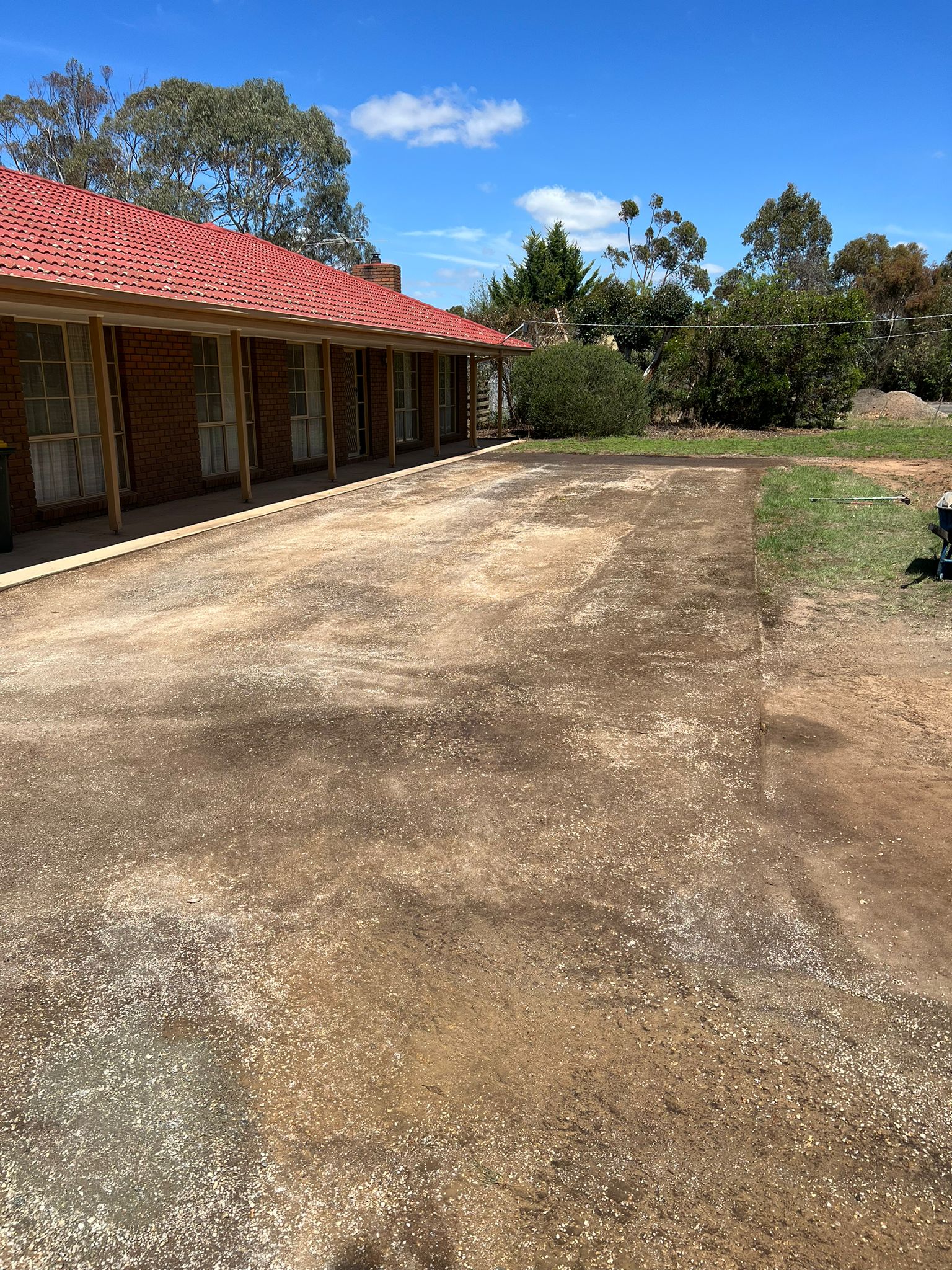
Potholes rarely appear without warning. While they may seem like isolated surface defects, they are often a clear indication that deeper problems are developing within the pavement structure. In Coomera, where asphalt surfaces are exposed to regular traffic and changing weather conditions, potholes should be treated as a symptom rather than the root cause.
At Coomera Surfacing Solutions, we focus on identifying what potholes are really telling you about the condition of your asphalt or bitumen surface.
How Potholes Typically Form
Potholes usually begin with small cracks or surface openings. These allow moisture to penetrate the asphalt, weakening the binder and the layers beneath. As vehicles pass over the affected area, the compromised surface flexes and breaks apart, eventually forming a pothole.
In Coomera, rainfall combined with regular traffic movement can accelerate this process, especially where surfaces have already started to age or lose flexibility.
Surface Cracking Is Often the First Warning
Before a pothole forms, there are usually visible signs such as fine cracking, surface fatigue, or slight depressions. These early indicators suggest that the pavement is no longer effectively resisting moisture or load stress.
When these signs are ignored, the underlying layers are exposed to ongoing damage. By the time a pothole appears, the deterioration has often progressed beyond the surface alone.
What Potholes Reveal About Pavement Health
A pothole often points to one or more underlying issues, including:
- Loss of binder due to oxidation
- Water infiltration weakening the pavement layers
- Insufficient surface protection
- Repeated traffic stress on a compromised area
These factors reduce the pavement’s ability to support loads, making further damage more likely if the root cause is not addressed.
Why Simple Patching Is Not Always Enough
While patching can temporarily restore usability, it does not always resolve the deeper issue that caused the pothole. If moisture ingress, surface ageing, or widespread cracking is present, new potholes may continue to form nearby.
A proper assessment helps determine whether targeted repairs, surface treatments, or broader maintenance measures are required to stabilise the pavement and prevent recurring damage.
The Importance of Early Intervention
Addressing surface wear before potholes develop is one of the most effective ways to protect asphalt pavements. Early maintenance can seal cracks, restore surface strength, and prevent water from reaching vulnerable layers.
In Coomera, proactive surface care reduces the likelihood of potholes forming and helps maintain smoother, safer pavements over time.
Supporting Safety and Long-Term Performance
Beyond structural concerns, potholes can pose safety risks to vehicles and pedestrians. Uneven surfaces increase wear on vehicles and create hazards, particularly during wet conditions.
By treating potholes as indicators of deeper surface issues rather than isolated defects, property owners can take a more strategic approach to pavement care and long-term performance.
Conclusion
Potholes are rarely just surface problems. They are often a visible sign that deeper deterioration is occurring within the pavement. Understanding what causes potholes allows asphalt surfaces in Coomera to be managed more effectively and maintained before serious failure occurs.
Coomera Surfacing Solutions provides professional assessments and tailored asphalt and bitumen surfacing solutions designed to address both visible damage and underlying issues. If potholes are appearing on your surface, contact Coomera Surfacing Solutions to discuss a practical, performance-focused approach to restoring pavement integrity and preventing further deterioration.
Call us on: 07 3113 9392
Click here to find out more about Coomera Surfacing Solutions
Click here to complete our contact form and see how we can help with your driveway needs.